
Loading...
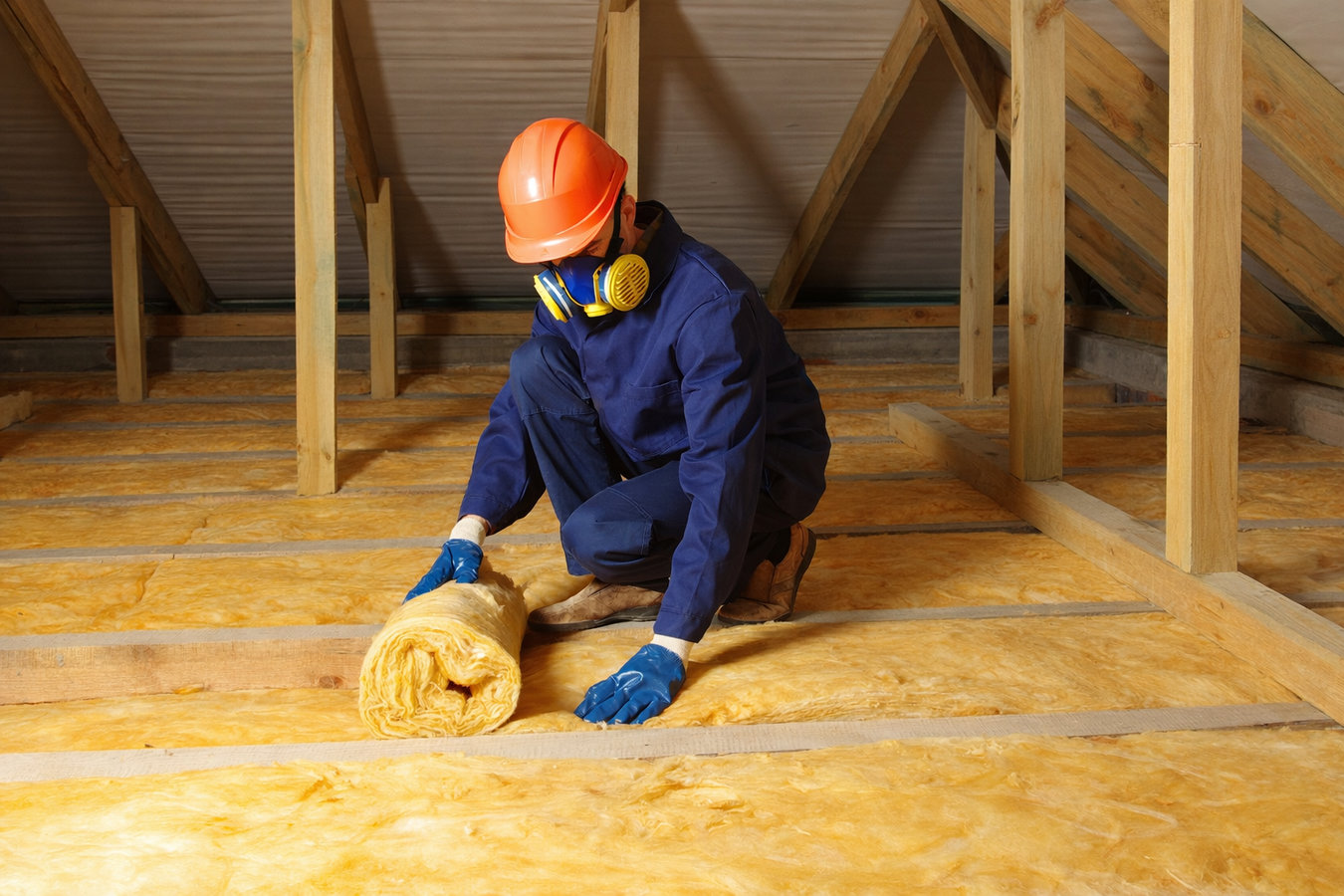
Your home loses the battle against 100-degree summers when the insulation is thin or missing. We assess your whole house, tell you exactly what is needed, and get the work done right.
Home insulation in Odessa means addressing the attic, walls, and any crawl space your home has, because the West Texas heat finds every unprotected surface - most projects for a single-story home are done in one day and show results on the very next utility bill.
The attic is almost always the starting point. Heat rises, and in Odessa, attic temperatures can hit 150°F on a summer afternoon. That heat radiates straight down into your living space no matter how hard your AC runs. Walls and crawl spaces matter too, but fixing the attic first delivers the fastest payback.
If your home has a specific area that needs attention, starting with insulation removal is sometimes the right first step when old material is compromised. For existing homes that simply need depth added in the walls or attic without tearing anything out, retrofit insulation is the cleaner approach.
If your electricity bill climbs to $300 or more during June through September, your home is likely working against your air conditioner. In Odessa's climate, a well-insulated home holds its temperature even on 105-degree days. When the AC runs almost constantly and the bill still shocks you, thin or missing insulation is one of the first things worth checking.
A master bedroom or back room that feels noticeably hotter than the rest of the house is a classic sign heat is getting through the surfaces above or around it. This is especially common in Odessa homes built in the 1960s and 1970s, where insulation was often applied unevenly or has since settled.
On a hot summer afternoon, hold your hand near a recessed light fixture or your attic access. If you feel warm air coming down, heat is moving through gaps in your ceiling. This is both an insulation and an air sealing problem, and both are fixable in a single contractor visit.
Homes built before modern energy codes were adopted were often insulated to the minimum standard of the time, which is well below what is recommended today. If you have lived in your Odessa home for years and cannot recall any insulation work, a free inspection will tell you exactly where you stand.
A home insulation project begins with an assessment of every surface where heat can enter or escape, not just the area the homeowner calls about. That means measuring attic depth, checking wall cavity fill in areas that are accessible, and looking at crawl spaces or floor systems if they apply to your home. We tell you what we find before recommending anything.
We work with blown-in fiberglass and cellulose for attics and wall cavities, batt insulation for open framing in new or remodel work, and spray foam where an air barrier is the priority. The right material depends on where it is going, what the existing conditions look like, and what performance you are trying to achieve. We explain the trade-offs before you decide.
When old insulation is degraded, wet, or pest-damaged, adding on top of it does not solve the problem. In those cases, we also offer insulation removal before the new work begins. For homes that need updates without major disruption, our retrofit insulation service adds depth to existing cavities through targeted entry points rather than tear-out.
Best suited to homes with thin or degraded attic coverage that need to reach modern depth targets.
For existing homes where wall cavities were never insulated or have deteriorated over decades.
Suited to homes with an unconditioned crawl space or floor systems that allow heat to pass through.
The Permian Basin climate is one of the most demanding in the country for residential cooling. Temperatures regularly exceed 100°F from June through August, and the sun beats down on low-pitched brick ranch rooftops with very little shade to soften it. A poorly insulated home here does not just feel uncomfortable, it runs your cooling system to the edge of its capacity every single day of the summer.
Odessa's housing stock skews older. A significant portion of single-family homes in the city were built in the 1950s through 1980s, when insulation standards were a fraction of what they are today. If your home falls in that range and has never had insulation inspected or upgraded, there is a good chance you are losing a meaningful amount of conditioned air every day. The flat, open terrain around Odessa also means persistent wind and blowing dust that infiltrates every unsealed gap in the building envelope.
We work across the region, including Stanton, Midland, and Pecos. Homes across all of West Texas share the same climate challenges, and the same logic applies: the sooner the attic and walls are brought up to modern standards, the sooner the savings start.
Call or send a message describing what you are experiencing. We respond within 1 business day. There is no charge to ask, and you do not need to know anything technical before the first conversation.
We visit your home, go into the attic with measuring tools, and inspect any other areas of concern. We check existing depth, look for moisture or pest issues, and note every gap that needs sealing. This visit is free and typically takes 30 to 60 minutes.
You receive a written quote spelling out what work will be done, what materials will be used, and the total price. We do not pressure you to sign on the spot. Compare quotes from multiple contractors and make sure each one covers the same scope.
Most attic jobs are done in two to four hours. The crew seals air gaps first, installs the material to the agreed depth, and confirms the measurement before leaving. Your home is ready to use immediately when the work is complete.
We respond within 1 business day. There is no obligation after the estimate. After you submit, someone from our office will call to schedule a free on-site assessment at a time that works for you.
(432) 280-0156Our team has years of hands-on insulation work across the Odessa area. That local track record means the job is held to a consistent baseline, with completed Permian Basin homes you can look at before you hire.
We do not quote over the phone or recommend the same solution for every job. An estimator goes into your attic, measures what is there, and tells you what is actually needed. You get a recommendation based on your home, not a sales pitch.
The current energy tax credit can cover up to 30% of qualifying insulation costs. We use products that meet the eligibility requirements and provide the documentation you need when filing with the IRS, so you are not chasing paperwork after the job is done.
We have worked on homes across Ector County and the surrounding region since we opened. We know which neighborhoods have the oldest housing stock, what the typical conditions look like in a 1970s Odessa attic, and what it takes to do the job right here.
The U.S. Department of Energy recommends specific insulation depths for every climate zone in the country. We install to those targets on every job, and we leave you with the measurements to confirm it was done right. That is what separates a qualified insulation contractor from work you simply hope was done properly.
When old material is compromised by moisture, pests, or age, removal is the necessary first step before anything new goes in.
Learn moreAdds insulation depth to existing walls and attics in finished homes through targeted entry points, without major disruption.
Learn moreCall today to schedule a free estimate and get your insulation upgrade on the calendar before the next West Texas summer arrives.